
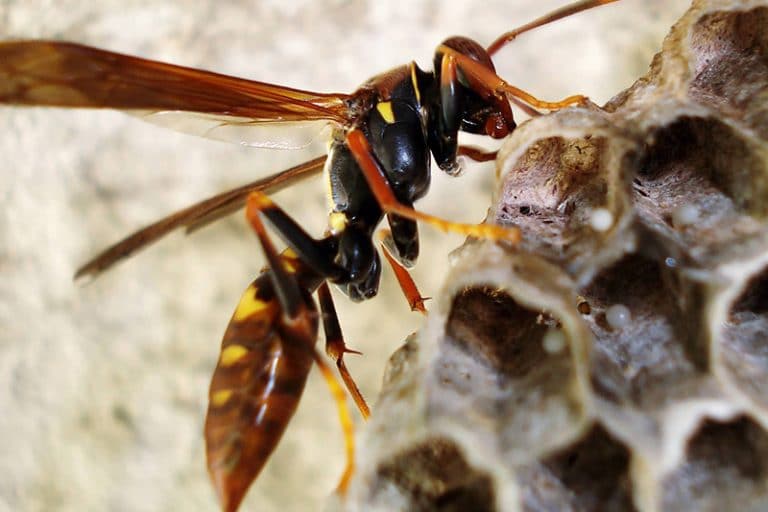
Warm days, backyard dinners, and kids in the sprinkler also bring stinging wasps and relentless ant trails. If you want fewer pests and more patio time, these Summer Wasp and Ant Control Tips for Missoula Yards will help you cut down activity safely and effectively. As a local team, we’ve seen what works in our climate and what just moves the problem around. And when you need a hand, Best Pest Control Missoula is here with inspections, identification, and treatment plans tailored to your property.
Key Takeaways
- Identify species first—paper wasps, yellowjackets, and carpenter ants—and track nests and trails to choose targeted treatments.
- Follow these Summer Wasp and Ant Control Tips for Missoula Yards: inspect weekly in spring, remove small nests after dark, and never seal active entry points.
- Cut attractants to reduce pressure: secure trash and recycling, clean grills, fix leaks, pick up fallen fruit, and trim vegetation off structures.
- For DIY success, place wasp traps away from seating, use slow-acting ant baits directly on trails, and avoid spraying over bait to ensure colony kill.
- Protect pollinators by treating at dusk, targeting nests or trails instead of broad spraying, and using least-toxic products suited to Missoula’s climate.
- Call a pro for structural nests, large yellowjacket colonies, persistent carpenter ants, or allergy risks—Best Pest Control Missoula can inspect, identify, and deliver a custom plan for wasp and ant control in Missoula yards.
Know Your Local Wasps And Ants
Common Species In Western Montana
Around Missoula, you’ll often see:
- Paper wasps that build open, umbrella-shaped nests under eaves and playsets
- Yellowjackets that crank up activity by late summer and often nest underground or in wall voids
- Solitary wasps like potter and spider wasps that hunt garden pests
For ants, the usual suspects include:
- Odorous house ants that trail to sweets and water
- Field ants and mound-building Formica species in lawns and garden edges
- Carpenter ants that prefer damp wood and can leave small piles of sawdust-like frass
Getting the ID right matters. Different species call for different tactics. That’s why, if activity is heavy, we start with an inspection to identify species before choosing a control plan.
Behavior And Nesting Patterns To Watch
- Wasps seek sheltered, dry spots: eaves, soffits, fence posts, grills, shed rafters, and shrub canopies. Yellowjackets commonly occupy old gopher holes and landscape voids.
- Ants follow set trails along foundation lines, fence rails, irrigation tubing, and sidewalks. You may see them pop out at expansion joints or where mulch meets pavement.
- Carpenter ants are especially active at night and target wet or decayed wood around decks, sill plates, and window trims.
Spotting these patterns early saves you time and money. It’s the backbone of integrated pest management and it’s how we approach service at Best Pest Control Missoula.
Early Detection: Nests And Trails
Where Wasps Nest Around Homes
Check weekly in mid to late spring when colonies are small:
- Under eaves, porch ceilings, and pergolas
- Behind shutters, under deck rails, and inside playset roofs
- Inside grill lids and patio furniture cavities
- In shrubs, low tree branches, and ground voids
A golf ball size nest is much easier to remove than a football size one. If you see wasps entering a wall or soffit gap, avoid sealing it until the colony is addressed. Sealing too soon can drive them indoors.
Ant Trail Hotspots And Signs Of Infestation
- Trails running from mulch or lawn edges to kitchen or breakroom doors
- Traffic around pet feeding areas, recycling bins, and drip lines
- Winged swarmers near windowsills, which can mean a mature colony
- Fine sawdust piles for carpenter ants
If trails return within a day of spraying, you’re likely only hitting foragers. The colony needs bait or a targeted treatment.
Preventive Yard Maintenance
Food And Water Source Control
Wasps and ants stick around where food and water are easy.
- Rinse recyclables and keep outdoor trash in tight-lidded cans
- Serve and store outdoor meals in covered containers
- Pick up fallen fruit and clean sticky drink spills right away
- Fix hose bib drips and low spots that collect water
- Feed pets indoors when possible, or promptly remove dishes
Landscaping And Structural Exclusion
- Keep shrubs and tree branches trimmed off siding and rooflines
- Swap thick wood mulch against the foundation for rock or a thin layer
- Reduce thatch and keep grass mowed to discourage ground-nesting yellowjackets
- Seal small gaps with quality exterior caulk and install door sweeps and screens
- Repair moisture issues that invite carpenter ants around decks and sill plates
Trash, Compost, And BBQ Management
- Clean grill grates, drip pans, and grease trays after use
- Store propane and grill covers clean and dry
- Keep compost sealed and turn it to limit odors
- Rinse drink containers before tossing them in outdoor bins
Safe, Effective DIY Controls
Low-Risk Options For Wasps (Traps, Night Removal)
- Place wasp traps in early summer to catch queens and reduce later pressure. Position them away from seating areas so you’re not attracting wasps to the patio.
- For small paper wasp nests, plan removal 60 to 90 minutes after dark when activity is lowest. Wear eye protection, gloves, long sleeves, and secure footwear. Use a red-light headlamp if possible since bright light can agitate insects.
- Treat ground nests cautiously. If there is heavy traffic or a stinging risk, consider calling a pro. Underground yellowjacket colonies can be large.
Ant Baits Versus Sprays: When And How
- Use slow-acting gel or granular baits on established trails. Foragers carry bait back, sharing it with the colony.
- Avoid spraying over bait placements. Sprays can repel ants, stopping them from feeding on bait.
- Place small bait stations along trails, near entry points, and where you’ve seen activity. Rotate bait types if ants ignore one formula.
What Not To Do
- Do not pour gasoline, bleach, or other harsh chemicals into nests. It’s dangerous and contaminates soil.
- Don’t use broad, daytime sprays on blooming plants. You’ll risk harming pollinators.
- Don’t seal an active wasp entry point before the colony is treated. That can redirect insects indoors.
Eco-Friendly And Pollinator-Conscious Practices
Timing Treatments To Avoid Beneficial Insects
- Treat at dusk or after dark when bees and many beneficials are back in the hive.
- Target the nest or trail directly and skip broadcast applications across flowers and shrubs.
- Leave solitary, nonaggressive wasps alone when possible. Many help control caterpillars and garden pests.
Least-Toxic Products That Work In Missoula’s Climate
- Soapy water in a pump sprayer can knock down small paper wasp nests on nonporous surfaces. Use with protective gear and only where safe.
- Ready-to-use essential oil sprays can deter light wasp activity on seating and play areas. Reapply after irrigation or rain.
- Sugar or protein-based wasp traps positioned away from people can reduce pressure around patios.
- For ants, indoor-safe gel baits and outdoor ant bait granules are effective when placed correctly and kept dry. Check and refresh as needed.
If you prefer a low-impact approach, we can design a plan that limits conventional pesticides and focuses on inspection, exclusion, and targeted treatments. Best Pest Control Missoula offers options that consider kids, pets, and sensitive sites while still getting results.
When To Call A Professional
Risk Factors And Legal Considerations
Call a pro if you notice any of the following:
- A wasp nest inside walls, soffits, attics, or other structural voids
- Repeated stings on the property or known allergies in your household or staff
- Large underground yellowjacket colonies in high-traffic areas
- Persistent carpenter ant activity or signs of moisture-damaged wood
- DIY treatments that keep failing or activity that spreads to new areas
Some wasps provide natural pest control. The goal is to remove threats while protecting beneficial species and pollinators. A licensed technician will follow label directions and local requirements for safe, targeted control.
What To Expect From An Inspection And Treatment
With Best Pest Control Missoula, here’s how we typically handle summer wasp and ant calls:
- Inspection inside and out to identify species, locate nests, and map trails
- Moisture and structural assessment around decks, foundations, and rooflines
- A custom plan that may include baiting, nest removal, exclusion, and follow-up
- Clear guidance on what you can do between visits, like sanitation and simple repairs
Our team serves homes and commercial properties across Montana, and we tailor solutions to Missoula’s summer patterns. For ants in particular, we identify the species first. That’s how we choose the right bait and find the source colony rather than just chasing foragers.
Conclusion
You don’t have to surrender your summer plans to stings and trails. Use these Summer Wasp and Ant Control Tips for Missoula Yards to cut attractants, find issues early, and treat with care for the environment. And if you want a quick, thorough fix with less hassle, Best Pest Control Missoula is ready to help. We’ll inspect, identify the exact species, and build a plan that protects your family, staff, and guests. Call or contact us today to schedule your service and take back the yard.
Frequently Asked Questions
What are the most common wasps and ants in Missoula yards, and how do I identify them?
Missoula yards often host paper wasps (umbrella-shaped open nests), yellowjackets (late-summer surge, ground or wall void nests), and solitary potter or spider wasps. Ants include odorous house ants (sweet and water trails), field/Formica mound builders, and carpenter ants that target damp wood and leave sawdust-like frass.
What’s the best way to use traps and baits for summer wasp and ant control in Missoula?
Place wasp traps early summer, away from seating, to intercept queens and reduce later pressure. For ants, rely on slow-acting gel or granular baits along active trails and entry points. Avoid spraying over bait, rotate formulas if ignored, and schedule wasp nest work 60–90 minutes after dark.
How can I make my yard less attractive to wasps and ants during summer?
Reduce food and water: rinse recyclables, cover outdoor meals, clean spills, and fix drips. Trim vegetation off structures, switch thick mulch near foundations to rock, mow regularly, and seal small gaps. Clean grills and keep compost sealed. These steps cut attractants and support lasting control.
When should I call a professional for wasp and ant control in Missoula?
Call a pro for nests in walls or soffits, repeated stings or allergies, large underground yellowjacket colonies, persistent carpenter ant activity or moisture-damaged wood, and DIY treatments that fail or spread activity. A licensed technician can identify species, target nests or colonies, and ensure safe, compliant treatment.
Are wasp and ant treatments safe for bees, pets, and kids?
Yes, when done correctly. Treat at dusk or after dark, target nests or trails directly, and avoid spraying blooming plants. Choose least-toxic options where appropriate, follow labels, and keep pets/children away until products dry. Many solitary wasps are beneficial—leave nonaggressive species when they don’t pose risks.
How much does professional wasp or ant control cost in Missoula, and how long do results last?
Costs vary by species, nest location, and severity. Typical wasp nest removal runs about $150–$400, with complex yellowjacket void or ground nests higher. Ant treatments often range $150–$350 for initial service, with follow-ups as needed. Results last longer with inspection, exclusion, moisture repairs, and bait-based colony control.
Recent Comments