
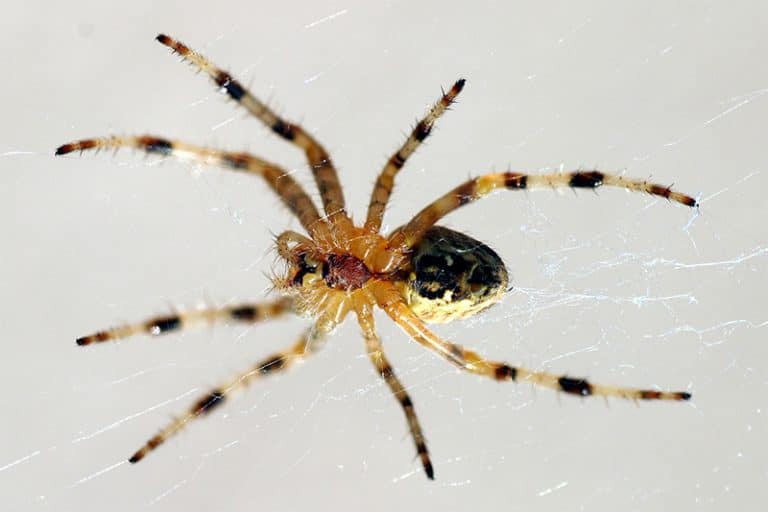
There’s something about spotting a spider skittering across your living room floor that can stop you mid-sentence. Maybe you’re one of those folks who calmly grabs a cup and escorts it outside. Or maybe you’re already standing on a chair, phone in hand, ready to call for backup. Either way, we get it.
Here in Missoula, and across Montana’s rugged landscape of homes and remote cabins, spiders are just part of life. Most of them are harmless, even beneficial, quietly keeping other pest populations in check. But when you start seeing them regularly indoors, or when you spot something that looks a little too intimidating (hello, black widow), it’s time to take spider control seriously.
At Best Pest Control, we’ve helped countless Missoula homeowners and cabin owners tackle spider problems, from minor nuisances to full-blown infestations. In this guide, we’ll walk you through everything you need to know: the common species in our area, why they’re drawn to your space, how to keep them out, and when it makes sense to bring in professional help.
Common Spiders Found in Missoula
Before you panic over every eight-legged visitor, it helps to know what you’re actually dealing with. Not all spiders are created equal, and Missoula is home to a mix of species, some completely harmless and others that warrant a bit more caution.
Harmless Species
The vast majority of spiders you’ll encounter in your Missoula home or cabin fall into the “more friend than foe” category. These guys are actually doing you a favor by eating mosquitoes, flies, and other insects you’d rather not have around.
House spiders are the most common culprits. They’re small, brownish, and love to build webs in corners, basements, and garages. They’re not aggressive and pose zero threat to humans.
Cellar spiders (sometimes called daddy longlegs, though that’s technically a different creature) are those wispy, long-legged spiders you see hanging upside-down in dark corners. They’re harmless and actually prey on other spiders, including some you’d rather not have around.
Jumping spiders might startle you with their quick movements and surprisingly good eyesight (they’ll actually turn to look at you), but they’re completely harmless. Some folks even find them kind of cute, with their fuzzy bodies and oversized front eyes.
Orb weavers are the ones building those impressive, circular webs on your porch or between trees. They rarely come indoors and prefer to stay put in their webs waiting for flying insects.
Spiders of Concern
Now, let’s talk about the ones that actually give us pause.
Wolf spiders are large, hairy, and fast, which is usually enough to alarm most people. They’re common in Montana and often wander indoors looking for prey. While their bite can be painful, it’s not medically significant for most people. Still, their size and speed make them unwelcome houseguests.
Black widows are the real concern in our region. These shiny black spiders with the distinctive red hourglass marking on their abdomen carry venom that can cause serious symptoms, especially in children, the elderly, or those with compromised immune systems. They prefer dark, undisturbed areas, think woodpiles, sheds, crawl spaces, and cluttered garages. We’ve found them in all of these spots during our inspections.
Hobo spiders were once considered dangerous, though recent research suggests their bites aren’t as harmful as previously thought. They’re still aggressive when threatened and can deliver a painful bite, so we recommend treating them with caution.
Why Spiders Enter Homes and Cabins
Understanding why spiders show up in the first place is half the battle. They’re not coming inside because they love your décor, they’re following basic survival instincts.
They’re chasing food. This is the big one. Spiders go where the insects are. If you’ve got flies buzzing around your kitchen, moths fluttering near your porch light, or ants marching through your pantry, spiders will follow. Your spider problem might actually be a sign of a broader pest issue.
They’re seeking shelter. Montana winters are no joke, and spiders know it. As temperatures drop, they’ll look for warm, protected spaces to ride out the cold. Homes and cabins, especially those with gaps, cracks, or easy entry points, become prime real estate. Cabins that sit vacant for weeks or months are particularly vulnerable, since spiders can move in and set up shop without any disturbance.
They need moisture. Some spider species are drawn to damp environments. Basements, crawl spaces, bathrooms, and areas with poor ventilation tend to attract these moisture-loving spiders. Leaky pipes and high humidity can make your home even more appealing.
Clutter provides cover. Spiders love hiding spots. Cardboard boxes, stacked firewood, piles of clothes, and rarely-disturbed storage areas are perfect habitat. The more clutter you have, especially in basements, attics, and garages, the more opportunities spiders have to settle in unseen.
Outdoor lighting attracts insects. That porch light you leave on all night? It’s essentially a buffet sign for flying insects, which in turn attracts spiders. We see this all the time at Missoula homes and cabins with exterior lighting near entry points.
Preventive Measures to Keep Spiders Out
Prevention is always easier (and cheaper) than dealing with an established spider population. Here’s how to make your home or cabin less inviting to these eight-legged intruders.
Sealing Entry Points
Spiders don’t need much space to get inside. A crack the width of a pencil is plenty.
Start by inspecting the exterior of your home or cabin. Look for gaps around windows and doors, cracks in the foundation, openings where utility lines enter the building, and damaged weather stripping. Caulk and seal any gaps you find. For larger openings, use expanding foam or hardware cloth.
Don’t forget about less obvious entry points:
- Gaps under exterior doors (door sweeps help here)
- Torn or missing window screens
- Vents without proper screening
- Spaces around dryer vents and AC units
- Gaps where the siding meets the foundation
For cabins, pay special attention to areas that may have settled or shifted over time. Seasonal freeze-thaw cycles can create new gaps each year.
Reducing Attractants
Remember: spiders follow their food source. If you reduce the insects in and around your home, you’ll naturally reduce the spider population.
Keep it clean. Regular vacuuming removes webs, egg sacs, and the insects spiders feed on. Pay attention to corners, baseboards, and behind furniture.
Manage outdoor lighting. Switch to yellow “bug lights” or sodium vapor lights, which are less attractive to flying insects. Better yet, position lights away from doors and windows, or use motion-activated fixtures that aren’t on all night.
Eliminate moisture problems. Fix leaky pipes, improve ventilation in damp areas, and consider using a dehumidifier in basements or crawl spaces.
Declutter storage areas. Replace cardboard boxes with sealed plastic containers. Organize your garage, attic, and basement so there are fewer hiding spots. This is especially important for seasonal cabins that sit unoccupied.
Keep vegetation trimmed. Shrubs, tree branches, and plants touching your home create bridges for spiders and insects. Maintain at least a foot of clearance between landscaping and your exterior walls.
Move firewood away from the house. Woodpiles are spider magnets, particularly for black widows and wolf spiders. Store firewood at least 20 feet from your home and elevated off the ground if possible.
Effective Spider Removal Methods
So you’ve already got spiders. Now what? Here are some proven removal methods, ranging from simple DIY approaches to more intensive strategies.
Vacuuming is your first line of defense. It’s effective for removing individual spiders, webs, and, critically, egg sacs. Each egg sac can contain hundreds of eggs, so getting rid of them before they hatch makes a huge difference. Just remember to dispose of the vacuum bag or empty the canister outside immediately after.
Sticky traps placed along baseboards, in corners, and near entry points can help you monitor and reduce spider populations. They won’t solve a major infestation, but they’re useful for catching wandering spiders and giving you a sense of where activity is concentrated.
Natural repellents have their fans, though results are mixed. Peppermint oil, diluted and sprayed around entry points and common spider areas, may deter some spiders. Same goes for vinegar solutions and eucalyptus. We’ve seen homeowners have some success with these, but they’re not a substitute for more comprehensive control measures.
Diatomaceous earth (the food-grade kind) can be applied in cracks, along baseboards, and in other areas where spiders travel. This natural powder damages their exoskeletons and dehydrates them. It’s non-toxic to humans and pets but should be applied carefully to avoid breathing in the dust.
Residual insecticide sprays can be applied around the perimeter of your home, focusing on entry points, foundation edges, and areas where you’ve seen spider activity. We recommend products specifically labeled for spiders and always following the manufacturer’s instructions carefully.
Web removal matters more than you might think. Consistently knocking down webs discourages spiders from staying in that area. It’s tedious, but doing this regularly, especially on exterior eaves, porches, and window frames, reduces the spider-friendly real estate around your home.
For cabin owners who can’t maintain these practices year-round, consider a thorough cleaning and treatment at the beginning and end of each season you use the property.
When to Call a Professional
DIY spider control works well for minor issues, but there are definitely situations where professional help makes sense.
You’re seeing venomous spiders. If you’ve spotted a black widow, or think you have, it’s time to call in experts. These spiders tend to hide in places that are difficult and potentially dangerous to treat yourself: crawl spaces, attics, woodpiles, and dark corners of sheds or garages. We thoroughly inspect all these areas to find and eliminate them safely.
The problem keeps coming back. If you’ve tried DIY methods and the spiders keep reappearing, there’s likely an underlying issue you’re missing. Maybe there’s an entry point you haven’t found, or a separate pest problem feeding the spider population. A professional inspection can identify what’s really going on.
You’re dealing with a large infestation. A few spiders here and there is normal. Dozens of spiders, or multiple egg sacs, suggest a more serious problem that requires comprehensive treatment.
You own a cabin or seasonal property. Properties that sit empty for extended periods are particularly vulnerable to spider infestations. Setting up an ongoing treatment plan can keep spiders (and other pests) from taking over while you’re away. At Best Pest Control, we help many cabin owners with regular preventive treatments throughout the year.
You have health concerns. If someone in your household has severe arachnophobia, allergies, or a compromised immune system, professional removal is often the safest approach.
You want peace of mind. Sometimes, you just want to know the job is done right. We check attics, crawl spaces, and even woodpiles to find and eliminate spiders from your property, areas most homeowners would rather not inspect themselves.
When you work with us at Best Pest Control, we don’t just spray and leave. We identify species, locate harborage areas, address contributing factors, and can set up ongoing treatment plans to keep your Missoula home or cabin spider-free long-term. And for those who prefer it, we offer chemical-free pest control options as well.
Seasonal Spider Control Tips for Missoula
Spider activity in Missoula follows predictable seasonal patterns, and adjusting your control efforts accordingly can make a real difference.
Spring (March–May): This is when spiders that overwintered in your home become more active, and outdoor populations start moving around. It’s an ideal time for a thorough inspection and treatment. Seal any new gaps that developed over winter, clean out storage areas, and apply perimeter treatments before populations build up.
Summer (June–August): Peak insect season means peak spider season. You’ll see more orb weavers around exterior lights and porches, and outdoor spiders may wander inside seeking prey. Focus on managing exterior lighting, keeping screens in good repair, and maintaining your perimeter defenses. For cabins, this is prime time, make sure the property is treated before your busy season.
Fall (September–November): This is when we see the biggest uptick in calls. As temperatures drop, spiders (especially wolf spiders) actively seek warm shelter. You’ll notice more spiders indoors during this period. It’s the most important time for sealing entry points and applying residual treatments. Don’t let them get established before winter.
Winter (December–February): Spider activity slows significantly, but they don’t disappear, they’re just hunkered down in protected spots. This is a good time for interior cleaning and decluttering. Vacuuming regularly during winter helps remove any spiders that made it inside in fall. For seasonal cabins, consider a late-fall treatment that will provide protection through the winter months.
One tip we always share: keep a consistent schedule. Sporadic control efforts are far less effective than regular, seasonal maintenance. Many of our Missoula clients find that quarterly treatments keep spider populations consistently low without the stress of dealing with periodic infestations.
Conclusion
Spiders in your Missoula home or cabin don’t have to be a constant battle. With a solid understanding of which species you’re dealing with, why they’re attracted to your space, and how to address them effectively, you can keep populations under control and enjoy a more comfortable living environment.
Start with prevention, sealing entry points, reducing clutter, managing moisture, and addressing the insect populations that draw spiders in. Use DIY removal methods for minor issues, but don’t hesitate to call for professional help when you’re dealing with venomous species, persistent infestations, or properties that need ongoing protection.
At Best Pest Control, we’ve been helping Montana homeowners tackle pest problems for years. Whether it’s simply bothersome or utterly terrifying, a spider problem needs to be addressed quickly and thoroughly before it worsens. If you’re seeing spiders in your Missoula home or cabin and want them gone for good, we’re ready to help. Contact us today to learn more about our spider control services and ongoing treatment plans designed for our unique Montana climate.
Recent Comments