
You’ve spotted ants marching across your kitchen counter, or maybe there’s a spider situation brewing in the basement. Your first instinct might be to grab a can of bug spray from the hardware store and handle it yourself. And honestly? Sometimes that works just fine.
But here’s the thing: not every pest problem is created equal. Some infestations require more than a trip to Home Depot, and trying to DIY your way through a serious problem can actually make things worse (and more expensive). At Best Pest Control Missoula, we’ve seen plenty of homeowners who started with DIY methods only to call us weeks later when the problem escalated.
So how do you know when to roll up your sleeves and when to call in the professionals? Let’s break it down.
Key Takeaways
- DIY pest control works well for minor, isolated problems like a few ants or spiders, but serious infestations require professional help.
- Termites, bed bugs, rodents, and cockroaches should almost always be handled by a professional exterminator to prevent costly damage and health risks.
- DIY treatments often provide temporary relief without addressing the root cause, leading to recurring problems and higher long-term costs.
- Professional pest control in Missoula offers accurate identification, customized treatment plans, safer application, and warranties that DIY methods can’t match.
- Recognizing when to escalate from DIY to professional treatment is key—persistent problems, structural damage, or unidentified pests are clear signs to call an expert.
- Acting quickly on any pest problem saves money and stress, as infestations become harder and more expensive to resolve over time.
Common Pest Problems in Missoula
Living in Missoula means dealing with a specific cast of unwanted houseguests. Our Montana climate and landscape create ideal conditions for certain pests, and knowing what you’re up against is the first step in deciding how to handle it.
The most common culprits we see include:
- Ants – From pavement ants to carpenter ants, these guys love our homes just as much as we do
- Spiders – Including the occasional black widow or hobo spider that raises real safety concerns
- Wasps and hornets – Particularly aggressive in late summer and early fall
- Rodents – Mice and rats seek shelter when temperatures drop, and they can squeeze through surprisingly small gaps
- Bed bugs – Making an unwelcome comeback thanks to increased travel (these hitchhikers are nearly impossible to prevent)
- Cockroaches – Harder to spot but present in Missoula, especially in multi-unit buildings
- Termites – A serious structural threat that often goes undetected until significant damage occurs
We also deal with seasonal invaders like cluster flies and boxelder bugs, which tend to swarm in fall looking for warm places to overwinter.
The pest you’re dealing with matters a lot when deciding between DIY and professional treatment. A few ants on your windowsill is a different situation entirely from discovering rodent droppings in your pantry or waking up with mysterious bites.
Benefits of DIY Pest Control
Let’s be fair here. DIY pest control absolutely has its place, and we’re not going to pretend otherwise. For certain situations, handling things yourself makes perfect sense.
Cost Savings and Convenience
The most obvious advantage is cost. A can of ant spray runs about $8-15, and even more comprehensive DIY treatments typically fall in the $20-200 range depending on what you’re tackling. Compare that to professional visits starting around $150, and the math seems simple.
There’s also the convenience factor. When you spot a wasp nest on Saturday afternoon, you don’t have to wait for an appointment. You can head to the store, grab what you need, and deal with it on your own schedule.
DIY also gives you control over what products enter your home. If you’re concerned about chemical exposure around kids, pets, or just prefer natural options, you can choose exactly what you’re comfortable using.
For minor, isolated problems, DIY can work great:
- A trail of ants appearing near a food source
- A few spiders setting up shop in your garage
- An accessible wasp nest you can reach safely
- Preventive measures like sealing cracks or setting basic traps
Limitations and Risks
Here’s where DIY starts to fall short. Those store-bought products often provide temporary relief without addressing the root cause. You kill the ants you can see, but the colony behind your walls? Still thriving.
Misidentification is another big issue. Carpenter ants and termites can look similar to the untrained eye, but they require completely different treatment approaches. Treating for the wrong pest wastes your money and gives the actual problem time to grow.
Then there’s the safety question. Pesticides aren’t toys, and misapplying them creates real health risks. We’ve seen people accidentally contaminate their kitchens, harm beneficial insects in their yards, or expose their families to chemicals that weren’t meant for indoor use. Some products require specific application techniques to be effective and safe.
And let’s talk about time. When you’re treating the same ant problem every few weeks or constantly setting mouse traps that keep getting triggered, those hours add up. So does the frustration.
When to Hire a Professional Exterminator
There’s a point where DIY stops being practical and starts being penny-wise, pound-foolish. Knowing when you’ve crossed that line can save you significant money, stress, and potential health risks.
Certain pests almost always warrant professional intervention:
- Termites – These can cause thousands of dollars in structural damage before you even know they’re there
- Bed bugs – Notoriously difficult to eliminate completely: partial treatment just spreads them
- Rodents – Where there’s one mouse, there are usually more, and they carry disease
- Cockroaches – Masters of hiding and breeding quickly
- Large or aggressive wasp colonies – Especially if you’re allergic or the nest is in a tricky location
If you’re running a business, particularly anything involving food service, professional pest control isn’t optional. Health codes require proper documentation and certified treatment methods.
Signs You Need Expert Help
Not sure if your situation qualifies? Watch for these red flags:
- Pests keep returning after your DIY treatments – this suggests a larger infestation or entry points you haven’t found
- Structural damage – gnaw marks, droppings, damaged wood, or insulation disturbance
- Widespread bed bug activity – multiple bites, blood spots on sheets, or bugs in more than one room
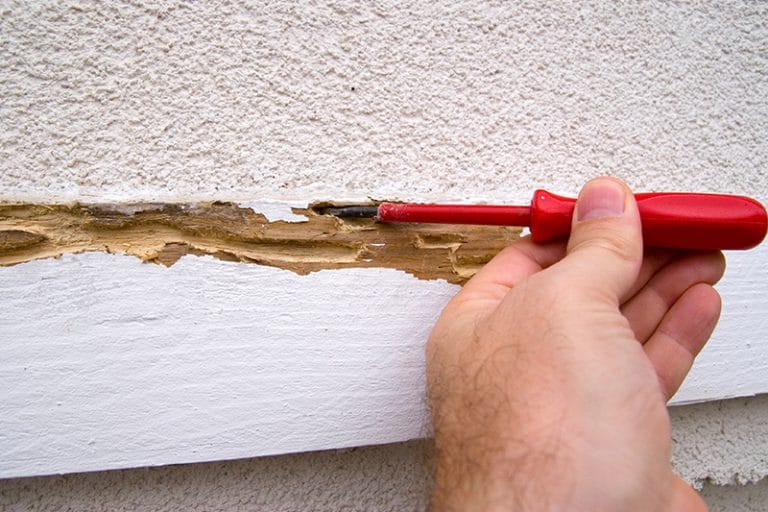
- Mud tubes on your foundation or wood that sounds hollow when tapped (classic termite signs)
- Strange odors – rodent infestations and cockroach colonies both produce distinctive smells once established
- You don’t know what you’re dealing with – unidentified insects or damage with no clear source
What Professional Services Offer
Professional pest control isn’t just “stronger chemicals.” Here’s what you’re actually paying for:
Thorough inspection and accurate identification. Pros know where to look and what they’re looking at. At Best Pest Control Missoula, our experts start every job with a detailed inspection of your property to understand the full scope of the problem.
Customized treatment plans. Your neighbor’s ant problem might be completely different from yours, even if the symptoms look similar. Professionals develop targeted approaches based on pest type, infestation level, and your specific property.
Access to professional-grade products and methods. Some treatments simply aren’t available to consumers. For example, we use Cryonite for bed bugs, a chemical-free freezing technology that’s proven effective even against pesticide-resistant populations.
Safer application. Licensed technicians understand proper dosing, placement, and safety protocols. This is especially important if you have kids, pets, or family members with health sensitivities.
Follow-up and prevention. Good pest control doesn’t end with one visit. Professionals identify entry points, recommend environmental changes, and set up ongoing treatment plans to keep pests from returning.
Warranties. Many professional services guarantee their work. If pests come back within a specified period, they’ll retreat at no additional cost.
Comparing Costs: DIY vs Professional Pest Control
Let’s get specific about the numbers, because this is usually the deciding factor for most people.
DIY Costs:
- Basic sprays and traps: $10-50
- More comprehensive treatment kits: $50-200
- Repeat purchases when the first round doesn’t work: Add another $50-200+ over time
- Your time investment: Several hours per treatment attempt
Professional Costs:
- Single treatment visit: $150-300 for most common pests
- Termite treatment: $500-2,500 depending on severity and method
- Bed bug treatment: $300-1,500 depending on home size and infestation level
- Ongoing maintenance plans: $30-50 monthly or $100-300 quarterly
At first glance, DIY looks cheaper. But here’s what those numbers don’t show: effectiveness and time to resolution.
If your $30 in DIY products actually solves the problem on the first try, you win. But if you’re buying new products every few weeks for three months before finally calling a pro, you’ve spent $150+ on products that didn’t work, plus whatever the professional charges. And you’ve lived with pests that whole time.
For structural pests like termites, the calculus is even clearer. A $500 professional treatment that catches the problem early could save you $10,000 or more in home repairs. That’s not an exaggeration.
There’s also the question of what your time is worth. If you’re spending weekends trying to solve a pest problem instead of enjoying your life, factor that in.
How to Choose the Right Approach for Your Situation
So how do you actually decide? Here’s a practical framework:
Go DIY when:
- You’re dealing with a light, localized problem (a few ants, occasional spiders)
- You can clearly identify the pest
- The infestation is recent and contained to one area
- You’re implementing preventive measures (sealing entry points, maintaining cleanliness)
- You’ve had success with DIY methods for this pest before
Call a professional when:
- You’re dealing with termites, bed bugs, rodents, or cockroaches
- The problem keeps coming back even though your efforts
- You can’t identify what you’re dealing with
- There’s evidence of structural damage or a large colony
- Someone in your home has asthma, chemical sensitivities, or immune system concerns
- You own or manage a commercial property
- You just want the problem handled quickly and completely
Here’s something we tell our customers: there’s no shame in starting with DIY and then calling us when it doesn’t work. That’s actually a pretty reasonable approach for minor issues. The key is recognizing when your efforts aren’t working and escalating before the problem gets worse.
What we don’t recommend is trying to DIY serious infestations. Termites, bed bugs, and rodents aren’t good candidates for self-treatment. You’ll likely spend more money in the long run and deal with the problem longer than necessary.
Conclusion
DIY pest control in Missoula works well for minor problems and ongoing prevention. Keep some basic supplies on hand, seal up entry points, maintain good sanitation, and you can handle plenty of small pest issues yourself.
But when you’re facing something bigger, whether it’s a persistent ant colony, mysterious wood damage, bed bugs, or a rodent problem that won’t quit, professional help isn’t just easier. It’s smarter. You’ll get faster results, lasting solutions, and peace of mind knowing the job was done right.
At Best Pest Control Missoula, we offer green solutions including chemical-free options that are safe for homes with kids and pets. Whether you need a one-time treatment or an ongoing prevention plan, our team knows Montana pests inside and out.
If you’re not sure whether your situation calls for DIY or professional treatment, give us a call. We’re happy to talk through what you’re dealing with and give you an honest assessment. Sometimes we’ll tell you a few caulk tubes and some ant bait will do the trick. Other times, we’ll explain why you really need expert intervention.
Either way, don’t let a pest problem fester. The longer you wait, the harder (and more expensive) it becomes to solve. Contact Best Pest Control Missoula today and let’s get your home back to the pest-free space it should be.
Frequently Asked Questions
When should I hire a professional exterminator instead of DIY pest control?
You should hire a professional exterminator when dealing with termites, bed bugs, rodents, or cockroaches, or if pests keep returning after DIY treatments. Signs like structural damage, widespread infestations, or unidentified pests also indicate it’s time to call an expert for effective, lasting results.
What are the most common pests in Missoula, Montana?
The most common pests in Missoula include ants (pavement and carpenter), spiders (including black widows and hobo spiders), wasps, rodents, bed bugs, cockroaches, and termites. Seasonal invaders like cluster flies and boxelder bugs also frequently seek shelter in homes during fall.
How much does professional pest control cost compared to DIY?
DIY pest control costs $10–200 for sprays and treatment kits, while professional services range from $150–300 per visit for common pests. Termite treatment costs $500–2,500, and bed bug treatment runs $300–1,500. Though DIY appears cheaper, failed attempts often make professional help more cost-effective long-term.
Can I get rid of bed bugs myself without an exterminator?
Bed bugs are notoriously difficult to eliminate with DIY methods. Partial treatment often spreads them further, and they can hide in tiny crevices throughout your home. Professional exterminators use specialized techniques like Cryonite freezing technology that effectively eliminates even pesticide-resistant populations.
What pest control methods are safe for homes with kids and pets?
Many professional pest control companies offer green solutions and chemical-free options safe for families with children and pets. When doing DIY, choose products specifically labeled as pet and child-safe. Professional technicians understand proper dosing and placement to minimize exposure risks.
Why does my ant problem keep coming back after using store-bought spray?
Store-bought sprays often kill visible ants but don’t eliminate the colony behind your walls. Without addressing entry points and the root cause, surviving ants continue reproducing. Recurring problems typically indicate a larger infestation requiring professional inspection to locate and treat the entire colony.
Recent Comments