
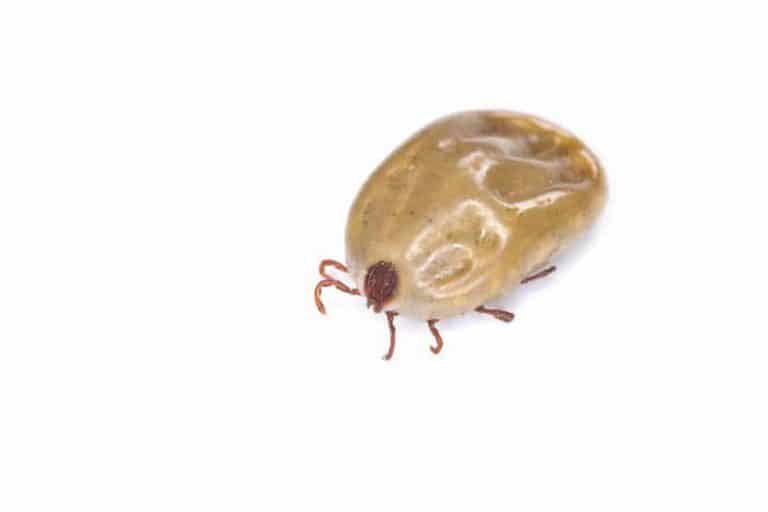
Bed bugs have made an unwelcome comeback here in Montana, and we’ve seen it firsthand at Best Pest Control. Thanks to increased travel, these persistent pests are hitching rides on luggage and clothing, finding their way into Missoula homes that would otherwise be spotless. The thing is, once they’re in, they’re incredibly difficult to eliminate without professional help.
Here’s the reality: female bed bugs can lay up to 5 eggs per day, and adults can survive for 300 days. That means a small problem can explode into a full-blown infestation faster than most homeowners realize. If you’re waking up with red, itchy welts or noticing rust-colored stains on your mattress, it’s time to act.
But here’s what many people don’t realize, the success of professional bed bug treatment depends heavily on how well you prepare your home beforehand. Whether we’re using heat treatment, Cryonite®, chemical applications, or fumigation, proper preparation ensures our technicians can access every hiding spot and eliminate these blood-sucking pests for good. Let’s walk through exactly what you need to do to get your Missoula home ready.
Why Proper Preparation Makes All the Difference
We can’t stress this enough: preparation isn’t just helpful, it’s essential for successful bed bug elimination. When homeowners skip or rush through prep work, treatment effectiveness drops significantly, which often means additional visits and extended timelines.
Bed bugs are masters at hiding. They squeeze into mattress seams, behind electrical outlets, inside furniture joints, and even within the spines of books. They can be in your couch, your favorite recliner, and places you’d never think to look. If clutter or barriers prevent our technicians from reaching these areas, some bugs will survive. And surviving bugs mean the infestation continues.
Proper preparation accomplishes several critical things:
- Maximizes treatment reach – Moving furniture and reducing clutter exposes hiding spots that would otherwise be inaccessible
- Protects your belongings – Bagging and washing items correctly prevents reinfestation from untreated clothing or linens
- Speeds up the process – When our team arrives to a well-prepared home, we can focus entirely on treatment rather than working around obstacles
- Reduces the need for retreatment – Thorough preparation means higher first-treatment success rates
We’ve been battling bed bugs in Montana for years, and we’ve learned that the most successful outcomes happen when homeowners and our technicians work as a team. Your preparation work before we arrive is just as important as the treatment itself.
What to Do Before the Technician Arrives
The days leading up to your scheduled treatment are crucial. We recommend starting your preparation at least 2-3 days before our technicians arrive, this gives you enough time to be thorough without feeling rushed. Here’s what needs to happen.
Decluttering and Organizing Each Room
Clutter is a bed bug’s best friend. The more stuff you have piled up, the more hiding spots these pests have available. Start by going room-by-room and being ruthless about what you actually need.
Remove items from under beds completely. This includes storage boxes, shoes, forgotten items, everything. Do the same for closet floors and any areas where items have accumulated against walls. Bed bugs love these dark, undisturbed spaces.
For items you’re keeping, organize them into sealed plastic bins or heavy-duty bags. Cardboard boxes won’t cut it here, bed bugs can easily hide in the corrugated layers. If you’re considering getting rid of items, now’s the time. Just be careful not to move potentially infested items to other areas of your home or give them away, as this spreads the problem.
Pay special attention to:
- Nightstands and dressers (empty all drawers)
- Bookshelves (books can harbor bed bugs in their spines)
- Stacks of magazines or papers
- Piles of clothing on floors or chairs
Washing and Bagging Linens and Clothing
This step is non-negotiable. All washable fabrics need to go through a hot water wash and high-temperature dryer cycle. We’re talking about bed linens, pillowcases, blankets, curtains, and any clothing that’s been in or near infested areas.
Here’s the process that works:
- Sort items in the infested room, don’t carry loose items through your house
- Place sorted laundry directly into plastic bags and seal them
- Transport sealed bags to your laundry area
- Empty bags directly into the washer
- Wash on the hottest setting the fabric can handle
- Dry on high heat for at least 30 minutes
- Place clean items in new, sealed bags
- Keep sealed bags away from treated areas until treatment is complete
For items that can’t be washed, like some stuffed animals or delicate fabrics, running them through a hot dryer cycle for 30+ minutes will still kill bed bugs and eggs. Items that can’t handle heat may need to be sealed in plastic for an extended period or professionally treated.
Preparing Furniture and Sleeping Areas
Your bed and upholstered furniture are ground zero for bed bug activity, so these areas need the most attention during preparation.
Start with your mattress and box spring. Strip all bedding (following the washing protocol above) and inspect seams and crevices carefully. You’ll likely see signs of activity here, look for rust-colored fecal stains, shed skins, or the bugs themselves. Don’t be alarmed if you find evidence: it actually helps our technicians know exactly where to focus treatment.
Pull your bed frame away from the wall, we recommend at least 2-3 feet if space allows. This gives our team clear access to treat behind and around the bed. Remove any headboards if possible, as bed bugs love to hide in the joints and seams of wooden headboards.
For other bedroom furniture:
- Empty all dresser and nightstand drawers completely
- Pull furniture away from walls
- Remove decorations and items from furniture tops
- If furniture has cushions, remove them so all surfaces are accessible
Upholstered furniture throughout your home needs similar treatment. Sofas, recliners, and fabric chairs can all harbor bed bugs, these pests aren’t just found in bedrooms. Vacuum all upholstered surfaces thoroughly before treatment, disposing of the vacuum bag immediately afterward in a sealed plastic bag.
A note on mattress encasements: if you don’t already have them, we highly recommend installing bed bug-proof encasements after treatment is complete. These zippered covers trap any surviving bugs inside and prevent new ones from establishing themselves in your mattress. We can discuss the best options during your service visit.
Kitchen and Bathroom Preparation Tips
While bedrooms are the primary battleground, kitchens and bathrooms shouldn’t be overlooked during preparation, especially if you’re receiving whole-home treatment options like heat treatment or fumigation.
For kitchens, remove all food items from counters and open shelving. Store them in sealed containers or temporarily relocate them to your garage or vehicle. While bed bugs don’t eat food (they feed exclusively on blood), we need access to treat cracks and crevices where they might hide, and you don’t want treatment residues near your food.
Empty kitchen drawers and cabinets of any items that could be heat-sensitive if you’re receiving heat treatment. This includes:
- Candles and wax items
- Chocolate and candy
- Medications (check with our technician about specific concerns)
- Aerosol cans
- Wine and carbonated beverages
- Fresh produce
For chemical treatments, our products are mostly odorless and leave behind no harmful residue in your home, but keeping food items protected is still best practice.
In bathrooms, remove all toiletries from counters and medicine cabinets. Check under sinks for any clutter that needs clearing. While bathrooms are less commonly infested, bed bugs can hide in surprising places, including inside electrical outlets and behind baseboards.
Both kitchens and bathrooms often have tile or linoleum flooring, which actually makes treatment easier in some ways. But don’t let that fool you into skipping prep work. The goal is giving our technicians clear access to every potential hiding spot.
What to Expect During and After Treatment
Once your home is prepared and our technicians arrive, here’s how the treatment process typically unfolds.
We start with a thorough inspection to assess the extent of infestation and determine the best treatment approach. At Best Pest Control, we offer several options depending on your situation:
Heat Treatment is one of the quickest and most effective methods. Because adult bugs, larvae, and eggs are all killed at 120°F, we use heavy-duty heaters to increase temperatures to 135°F across a 7-12 hour period. Fans move air through the home to penetrate all hiding spaces, and we monitor progress to maintain lethal temperatures without damaging your possessions.
Cryonite® Treatment takes the opposite approach, using frozen liquid carbon dioxide at -110°F to rapidly freeze and kill bed bugs at all life stages. This method is chemical-free, non-toxic, and leaves no wet or sticky residue. Because it doesn’t rely on chemicals, bed bugs can never become immune to it. The vapors penetrate deep into fibers and crevices where bed bugs hide.
Chemical Treatment involves spot-treating infested areas with powerful pesticides that flush bed bugs from hiding spots and kill them quickly. This method may require multiple applications for full eradication.
Fumigation is reserved for more intense infestations. By enclosing the entire building and releasing targeted gas, all areas are treated, including behind walls and inside electronics.
During treatment, you’ll need to leave your home. The duration depends on which method we use. We’ll give you a specific timeline and let you know when it’s safe to return.
After treatment, avoid deep cleaning for at least two weeks, this allows residual products to continue working. You may still see some bed bug activity in the first few days: this doesn’t mean treatment failed. Bugs that were hiding in deeper areas are being flushed out by the treatment. If activity continues beyond two weeks, contact us for a follow-up inspection.
Common Preparation Mistakes to Avoid
After years of bed bug treatments across Montana, we’ve seen preparation mistakes that undermine even the best treatment protocols. Here are the ones to watch out for:
Moving items to untreated areas. When you relocate belongings from an infested room to your garage, a friend’s house, or storage unit, you risk spreading the infestation. Keep items in sealed bags within the treatment zone whenever possible.
Using bug bombs or DIY treatments beforehand. We understand the urge to fight back immediately, but over-the-counter foggers actually make professional treatment harder. They scatter bed bugs into deeper hiding spots and can cause them to spread to other rooms. Plus, bed bugs are becoming increasingly resistant to common pesticides, which is one reason we’ve invested in methods like Cryonite that bugs can’t develop immunity to.
Not washing items properly. A quick wash on cold or warm won’t kill bed bugs. You need hot water and high dryer heat. And items need to stay in sealed bags until treatment is complete, otherwise, they can become reinfested.
Leaving clutter in treated areas. Every box, pile, or piece of furniture left in place is a potential hiding spot that won’t receive treatment. Be thorough.
Rushing back into treated rooms. After treatment, there’s often a waiting period before you should re-enter or begin unpacking. Ignoring this timeline can reduce treatment effectiveness or expose you to products that need time to dry or dissipate.
Skipping the follow-up. Some treatment methods require multiple visits for complete eradication. Missing follow-up appointments gives surviving bugs time to reproduce and rebuild the infestation.
Throwing away your mattress prematurely. Many people assume they need to trash their mattress, but that’s often unnecessary. With proper treatment and encasements, most mattresses can be saved. Discuss this with your technician before making expensive decisions.
Conclusion
Preparing your Missoula home for professional bed bug treatment takes effort, but it’s effort that pays off. When you declutter thoroughly, wash and bag all fabrics properly, prepare furniture and sleeping areas, and avoid common mistakes, you set the stage for successful elimination.
At Best Pest Control, our promise is to get rid of bugs and pests so you can have absolute peace of mind. We’ve been battling bed bugs in Montana for years, and we know what it takes to eliminate them for good. But we also know that the best outcomes happen when homeowners do their part before we arrive.
If you’re waking up with bites, noticing those telltale rust-colored stains, or have spotted bed bugs in your home, don’t wait. These pests multiply quickly, remember, females can lay 5 eggs daily for up to 300 days. The sooner you act, the easier the problem is to solve.
Contact Best Pest Control today to schedule an inspection. We’ll assess your situation, recommend the right treatment approach, and walk you through exactly what preparation steps your specific situation requires. Whether it’s heat treatment, Cryonite®, chemical application, or fumigation, we’re ready to help you reclaim your home from these unwelcome invaders.
Recent Comments