
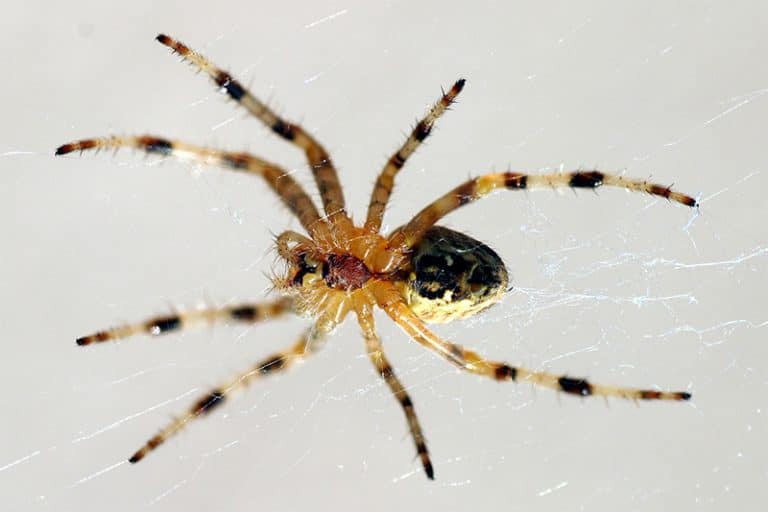
If you’ve ever walked into your garage and come face-to-face with a wolf spider the size of a silver dollar, you know that unsettling feeling all too well. Spiders are a fact of life here in Missoula, but that doesn’t mean you have to share your living space with them. Whether it’s the occasional cobweb in the corner or a full-blown infestation that has you checking your shoes every morning, getting spider populations under control is entirely possible with the right approach.
We’ve spent years helping Montana homeowners tackle pest problems of all kinds, and spiders consistently rank among the most common concerns we hear about. The good news? Most spiders in our area are harmless, even beneficial. The bad news? That doesn’t make them any less creepy when they’re crawling across your bedroom ceiling at midnight. In this guide, we’ll walk you through why Missoula attracts so many eight-legged visitors, where they like to hide, and most importantly, how to send them packing.
Why Spiders Are Common in the Missoula Area
Missoula’s unique geography and climate create nearly perfect conditions for spider populations to thrive. Nestled in a valley surrounded by five mountain ranges, our area experiences the kind of moderate temperatures and seasonal shifts that spiders absolutely love. The warm summers give them plenty of time to hunt, breed, and establish themselves, while our relatively mild falls mean they stick around longer than in harsher climates.
The abundance of rivers, streams, and natural vegetation in the Missoula Valley also plays a significant role. Water sources attract insects, mosquitoes, gnats, flies, and where there’s prey, predators follow. Spiders are opportunistic hunters, and our ecosystem provides a veritable buffet for them year-round.
Another factor many homeowners overlook is Missoula’s housing stock. Many homes here were built decades ago, and older construction often means more gaps, cracks, and entry points for pests. Add in the fact that many properties border natural areas, trails, or undeveloped land, and you’ve got a recipe for regular spider encounters.
Common species we see around Missoula include house spiders, hobo spiders, wolf spiders, and yes, black widows. While most are harmless and actually help control other insect populations, seeing a wolf spider scurry across your floor or discovering a black widow in your woodpile is enough to make anyone want to take action. Understanding why they’re here is the first step toward keeping them out.
Identifying Problem Areas Around Your Property
Before you can effectively reduce spider populations, you need to know where they’re hiding. Spiders are masters of finding quiet, undisturbed spots where they can spin webs, hunt prey, and reproduce in peace. We always tell homeowners: think like a spider. Where would you go if you wanted darkness, shelter, and a steady supply of insects?
Indoor Hotspots
Inside your home, spiders gravitate toward areas that see minimal human traffic. Basements and crawl spaces top the list, these dark, often damp environments are spider paradise. Check corners, along floor joists, and around any stored items that haven’t been moved in a while.
Attics are another prime location. The combination of insulation, boxes of holiday decorations, and general neglect makes attics incredibly appealing. We’ve pulled back insulation in Missoula attics and found thriving spider colonies that homeowners had no idea existed.
Don’t overlook closets, especially those packed with rarely-worn clothes or shoes. Garages are notorious problem areas too, particularly if you store firewood, cardboard boxes, or gardening equipment inside. Spiders love clutter, it gives them endless hiding spots and plenty of structure for web-building.
Other indoor hotspots include:
- Behind and under furniture that rarely moves
- Inside light fixtures and ceiling corners
- Around windows and door frames
- Near water heaters and utility areas
- In laundry rooms, especially behind machines
Outdoor Hotspots
Outdoors, the list of potential spider habitats grows even longer. Woodpiles are perhaps the most common outdoor hotspot we encounter during inspections. Stacked firewood provides perfect shelter, and the insects attracted to decaying wood offer an easy food source. If your woodpile sits close to your home’s foundation, you’re essentially rolling out the welcome mat.
Overgrown vegetation along your home’s perimeter creates pathways for spiders to enter. Shrubs touching exterior walls, ivy climbing siding, and dense ground cover all provide covered routes from yard to house. Outdoor lighting also attracts insects at night, which in turn attracts spiders looking for an easy meal.
Other outdoor areas to inspect include:
- Under decks and porches
- Inside sheds and outbuildings
- Around eaves, soffits, and gutters
- Near outdoor furniture and grills
- In rock walls, landscape timbers, and retaining walls
- Around recycling bins and trash cans
Effective Prevention Strategies
Once you’ve identified where spiders are congregating, it’s time to make your property less inviting. Prevention is always more effective than reaction, and the strategies below will help you create an environment that spiders simply don’t want to inhabit.
Sealing Entry Points and Gaps
This is arguably the most important step you can take. Spiders don’t need much space to get inside, a gap the width of a pencil is more than enough. Start with a thorough inspection of your home’s exterior. Look for cracks in the foundation, gaps around windows and doors, holes where utility lines enter, and openings around vents and exhaust fans.
Use high-quality caulk for smaller cracks and gaps. For larger openings, expanding foam or copper mesh works well. Pay special attention to:
- Door sweeps and weatherstripping (replace if worn)
- Window screens (repair any tears or holes)
- Garage door seals
- Dryer vents and exhaust covers
- Pipe and wire entry points
Inside, seal gaps around baseboards, outlets, and where pipes enter through walls. Yes, it’s tedious work. But closing off entry points doesn’t just reduce spider populations, it helps with energy efficiency and keeps out other pests too.
Reducing Clutter and Debris
Remember how we mentioned that spiders love undisturbed hiding spots? Clutter provides exactly that. A thorough decluttering effort, both inside and outside your home, removes shelter and exposes spiders to conditions they’d rather avoid.
Inside, organize storage areas using sealed plastic containers rather than cardboard boxes. Cardboard attracts insects and absorbs moisture, two things that make spiders happy. Regularly clean and vacuum storage areas, even if it’s just a quick pass-through every few months.
Outside, keep your yard tidy. Move woodpiles at least 20 feet from your home’s foundation and elevate them off the ground if possible. Clear leaf litter, grass clippings, and other debris from around your foundation. Trim vegetation so nothing touches your exterior walls, and consider replacing dense ground cover near the house with gravel or mulch that’s less hospitable to insects.
Regular cleaning disrupts spider activity. Vacuuming up webs, egg sacs, and the spiders themselves is surprisingly effective. It’s not glamorous, but consistent effort pays off.
Natural and Chemical Control Methods
When prevention alone isn’t cutting it, you have options for more direct intervention. Both natural and chemical methods can help reduce spider populations, and the right choice depends on your situation, preferences, and the severity of the problem.
Natural Approaches
Many homeowners prefer starting with natural methods, especially those with children, pets, or environmental concerns. Essential oils like peppermint, eucalyptus, and tea tree have shown some effectiveness as spider deterrents. Dilute 10-15 drops in water, add a splash of dish soap to help it stick, and spray around entry points and problem areas. Fair warning: results vary, and you’ll need to reapply frequently.
Diatomaceous earth is another natural option. This fine powder, made from fossilized algae, damages the exoskeletons of spiders and other insects, causing dehydration. Apply it in cracks, along baseboards, and in other areas where spiders travel. Just make sure you’re using food-grade diatomaceous earth, and wear a mask during application to avoid inhaling the dust.
Sticky traps placed along walls and in corners can help monitor and reduce spider populations. They won’t eliminate an infestation on their own, but they’ll give you a sense of where activity is concentrated and catch wandering spiders in the process.
Chemical Treatments
For more significant infestations, chemical treatments may be necessary. Over-the-counter spider sprays can provide temporary relief, but they typically only kill spiders on contact and don’t offer lasting protection. Residual insecticides, applied as perimeter treatments around your home’s foundation and entry points, create a barrier that kills spiders for weeks or months.
If you go the chemical route, read labels carefully and follow all safety instructions. Pay attention to where products can and cannot be applied, especially around food preparation areas or spaces where children and pets spend time.
At Best Pest Control, we offer both traditional and chemical-free pest control options. For homeowners who want an eco-friendly solution, our green pest control services use organic elimination methods and non-toxic approaches that are effective without the concerns that come with conventional pesticides. We’ll inspect your property, advise on the best approach, and help close entry points to prevent future problems.
When to Call a Professional Pest Control Service
DIY methods work well for minor spider issues, but there are situations where professional help makes a real difference. Knowing when to call in the experts can save you time, money, and frustration in the long run.
Signs You Need Professional Help:
- You’re seeing spiders regularly even though your prevention efforts
- You’ve discovered black widows or other potentially dangerous species
- Spider populations seem to be increasing rather than decreasing
- You have a severe infestation in hard-to-reach areas like crawl spaces or attics
- DIY treatments aren’t providing lasting results
Professional pest control services bring expertise, specialized equipment, and commercial-grade products that simply aren’t available to the average homeowner. We know where to look, what to look for, and how to treat effectively. When you call Best Pest Control for a spider problem, we’ll check attics, crawl spaces, woodpiles, and every other potential hiding spot to find and eliminate spiders from your property.
Another advantage of professional service is the ability to set up an ongoing treatment plan. One-time treatments can knock down current populations, but regular service helps repel bugs and prevents new infestations from taking hold. This is especially valuable in the Missoula area, where environmental conditions continuously attract pests.
We’re a local, family-owned company with decades of experience dealing with the bugs, rodents, and other pests common to Montana. Founded in 1998 by Hank Thompson and now operated by his son Lance, Best Pest Control is fully licensed, insured, and offers a service guarantee. If it creeps or crawls, we can handle it, spiders included.
Whether you have a minor nuisance or a major infestation, we’re here to help protect your home and give you peace of mind. Feel free to contact us for an inspection and let us put together a complete pest control plan tailored to your property.
Conclusion
Reducing spider populations around your Missoula home isn’t a one-and-done project, it’s an ongoing effort that combines prevention, maintenance, and sometimes professional intervention. The good news is that consistent action really does work. By understanding why spiders are attracted to our area, identifying their favorite hiding spots, sealing entry points, reducing clutter, and using appropriate control methods, you can dramatically cut down on unwanted eight-legged visitors.
Start with the basics: inspect your property, seal gaps, clean up clutter, and remove outdoor harborage areas. If you’re dealing with persistent problems or potentially dangerous species like black widows, don’t hesitate to call in professional help. At Best Pest Control, we’ve been helping Montana homeowners tackle pest problems since 1998, and we’re ready to help you reclaim your home from spiders.
Remember, most spiders you encounter are harmless and even beneficial, they eat other insects you probably like even less. But that doesn’t mean you have to live with them. With the right approach, you can enjoy a spider-free home and the peace of mind that comes with it.
Recent Comments