
If you’ve lived in Missoula for any length of time, you know the feeling. After months of cold temperatures and snow cover, the spring thaw finally arrives. The sun warms up, the snow melts away, and suddenly your yard starts coming back to life. But here’s the thing: you’re not the only one celebrating the change in seasons.
As the ground thaws and temperatures climb, a whole range of pests that have been hunkered down all winter start waking up hungry and looking for new places to call home. We’re talking about ants marching through your kitchen, spiders setting up shop in your basement, and voles leaving a mess of tunnels across your lawn. At Best Pest Control Missoula, we see a major uptick in calls every spring from homeowners and business owners dealing with these exact problems.
The good news? If you know what to look for and take action early, you can get ahead of most pest issues before they become serious headaches. Let’s break down exactly what’s emerging during the Missoula spring thaw and what you can do about it.
Key Takeaways
- The Missoula spring thaw triggers increased pest activity as ants, spiders, and voles emerge from winter dormancy seeking food and shelter.
- Carpenter ants pose the biggest structural threat, excavating nests in moist wood and potentially causing thousands of dollars in damage if left untreated.
- Voles stay active under winter snow, and the damage they cause to lawns, tree bark, and root systems only becomes visible once the snow melts.
- Preventive measures like sealing entry points, managing moisture, and removing harborage areas can significantly reduce pest pressure before populations explode.
- Professional pest control is recommended for repeated ant trails, spider activity in living spaces, extensive vole damage, or when DIY methods fail to resolve the problem.
Why Spring Brings Increased Pest Activity in Missoula
It’s not a coincidence that pest problems spike right as winter loosens its grip. There’s actual biology behind it.
During winter, most insects and rodents in our area enter a dormant or semi-dormant state. They tuck themselves away in soil, logs, wall voids, crawl spaces, and other protected spots to wait out the cold. Some slow their metabolism way down. Others survive as eggs or larvae. Voles stay active under the snow, but their damage stays hidden until spring.
Once the Missoula spring thaw hits, everything changes. Warmer soil temperatures and longer daylight hours send a signal that it’s time to get moving. Dormant insects wake up and immediately start looking for food and water. Overwintering pests leave their hiding spots to feed and reproduce. And all that melting snow? It exposes food sources like seeds, plant roots, and smaller insects that have been buried for months.
There’s another factor worth mentioning. Warmer winters, which we’ve been seeing more of due to climate shifts, mean more pests survive to see spring. Populations that might have been knocked back by a harsh cold snap are now thriving and expanding. That’s part of why many Missoula residents are noticing pest pressure they didn’t deal with ten or fifteen years ago.
The bottom line: spring is prime time for pest activity, and what you do in the next few weeks can make a big difference in what you’re dealing with by summer.
Common Ant Species Emerging After the Thaw
Ants are some of the most common and annoying insects you’ll find around your home. They’re also some of the hardest to eliminate on your own. A single ant colony can house anywhere from 300,000 to 500,000 ants, which is why finding and eliminating the colonies is so important. Here in Missoula, two species cause the most trouble after the spring thaw.
Carpenter Ants
Carpenter ants are the ones that really make homeowners nervous, and for good reason. These are large ants, usually black, that nest in moist or decayed wood. Unlike termites, they don’t actually eat the wood. Instead, they excavate galleries inside it to build their nests. The result? Weakened framing, damaged decks, rotting window sills, and structural problems that can cost thousands to repair.
Spring is when carpenter ants become especially active. You’ll often see them trailing at night, moving between their nest and food sources like kitchens, pet food dishes, and trees around your property. If you’re spotting large black ants inside your home, especially near moisture-prone areas like bathrooms or around windows, don’t ignore it. That’s a warning sign that you may have a colony establishing itself in your structure.
Pavement Ants
Pavement ants are smaller and brown, and they typically nest under sidewalks, driveways, foundations, and concrete slabs. You’ve probably seen the little piles of sand or dirt they push up through cracks in your driveway or patio.
While pavement ants don’t cause structural damage like carpenter ants, they’re incredibly persistent invaders. They can fit through the tiniest cracks under doors, around windows, or through vents. Once inside, they go searching for food and water. When they find something good, they leave a chemical trail for the rest of the colony to follow. That’s how you end up with a line of ants marching across your kitchen counter seemingly overnight.
Spring thaw and early season rains often drive pavement ant colonies indoors, so don’t be surprised if you see them popping up in areas that were ant-free all winter.
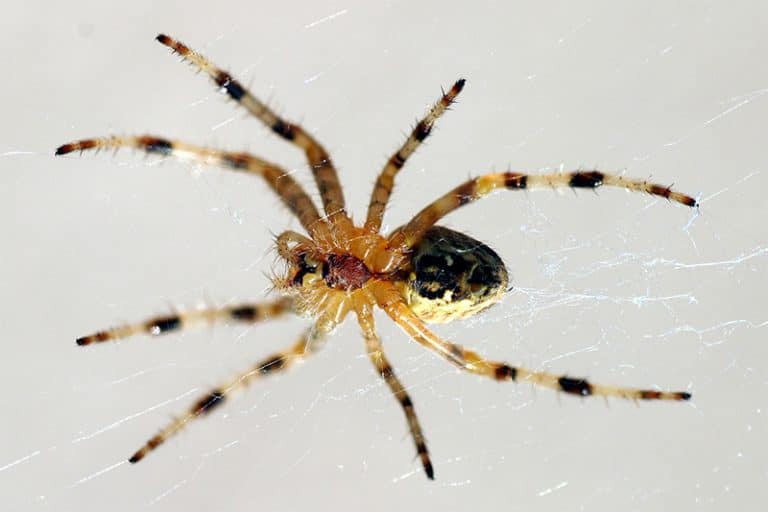
Spiders That Become Active in Spring
While most spiders are harmless and actually help control other insect populations, that doesn’t mean you want them setting up residence in your living space. Here in Montana, we see a few species that cause concern for homeowners, and spring is when they start showing up.
Hobo Spiders
Hobo spiders are funnel-web builders. They create distinctive funnel-shaped webs in dark, undisturbed areas like basements, cluttered garages, window wells, and around foundations. During colder months, they stay hidden. But as temperatures warm up, activity increases significantly, especially when males start wandering in search of females.
Hobo spiders are fast runners and can look intimidating when you stumble across one in your basement or garage. While their bite was once thought to be more dangerous than it actually is, they can still deliver a painful bite if threatened. More importantly, if you’re seeing hobo spiders regularly, it often indicates other pest populations nearby that they’re feeding on.
Wolf Spiders
Wolf spiders are ground-dwelling hunters that don’t build webs to catch prey. Instead, they actively chase down insects in lawns, gardens, and around foundations. They’re common throughout Missoula and can grow fairly large, with hairy bodies that make many people uncomfortable.
In spring, wolf spiders may enter homes while chasing prey or seeking shelter from wet conditions outside. They’re not aggressive toward humans, but they will bite if handled or trapped. Finding wolf spiders indoors usually means there are entry points around your foundation or doors that need attention.
At Best Pest Control Missoula, we check attics, crawl spaces, and even wood piles to find and eliminate spiders from your property. It’s not just about removing the spiders you can see. It’s about addressing the conditions that are attracting them in the first place.
Understanding Vole Activity and Property Damage
Voles are small rodents that look a bit like mice but have shorter tails and stockier bodies. They’re herbivores, and they spend most of their time in shallow burrows and surface runways, feeding on grass, roots, bulbs, and the bark of young trees and shrubs.
Here’s the frustrating part: voles don’t hibernate. They stay active all winter long, tunneling under the snow and feeding on your lawn and landscape plants. But because everything is covered in snow, you don’t see the damage until spring arrives.
Once the snow melts, that’s when the ugly truth reveals itself. Dead patches in your lawn where voles have eaten the grass down to the roots. Surface runways carved through the turf like little highways. Girdled shrubs and young trees with bark stripped away around the base. Damaged root systems on perennials and ornamentals. Leaning or dying trees from root damage.
Voles are prolific breeders too. A single pair can produce multiple litters each year, with several young per litter. If you had vole activity last year and didn’t address it, the population has likely grown over the winter.
Voles are very destructive to landscaping. They can cause dead patches and holes in your lawn, dead plants, and leaning trees. The damage often looks worse than it is at first glance, but left unchecked, voles can devastate ornamental gardens and young tree plantings over successive seasons.
Preventive Measures to Protect Your Home
You don’t have to wait until pests are already inside to take action. Some straightforward preventive steps can make your property much less attractive to the ants, spiders, and voles that emerge during the Missoula spring thaw.
Seal entry points. Inspect your foundation for cracks and gaps. Check around doors and windows for worn weatherstripping or damaged seals. Look at where pipes, cables, and vents penetrate your siding. Ants can fit through incredibly small openings, so don’t overlook the little stuff. Repair damaged screens on windows and vents.
Manage moisture. Many pests, including carpenter ants and certain spiders, are attracted to moisture. Fix leaky pipes and faucets. Improve drainage around your foundation so water doesn’t pool against the house. Consider using a dehumidifier in basements and crawl spaces to keep humidity levels down.
Reduce harborage areas. Store firewood off the ground and at least 20 feet away from your home. Clear leaf litter, debris, and clutter from around your foundation. Maintain a vegetation-free strip of gravel or rock around the perimeter of your house. This removes the cover that ants and spiders rely on.
Protect trees and shrubs from voles. Install trunk guards around young trees to prevent bark girdling. Keep grass and weeds trimmed short around tree bases and shrub beds. Remove heavy mulch that provides cover for vole runways.
Eliminate food sources. Keep food in sealed containers inside your home. Clean up crumbs and spills promptly. Don’t leave pet food sitting out overnight. These simple habits make your home far less attractive to foraging ants.
Taking these steps now, before pest populations explode, puts you in a much better position for the rest of the season.
When to Call a Professional
Sometimes prevention isn’t enough, and that’s okay. There are certain situations where calling in a professional pest control service is the smart move.
Repeated ant trails indoors. If you’re seeing ants inside your home over and over, especially large black ants, that’s a sign of a larger problem. Carpenter ant activity in structural wood needs to be addressed quickly before damage spreads. DIY baits and sprays rarely reach the main colony, so the problem keeps coming back.
Spider activity in living or sleeping areas. An occasional spider in the garage is one thing. Finding spiders regularly in bedrooms, living rooms, or other spaces where your family spends time is another. If you can’t safely identify the species or your efforts to control them aren’t working, it’s time to bring in help.
Extensive vole damage. If your lawn, fruit trees, or ornamental plantings are showing significant vole damage, or if runways keep appearing year after year, the population has gotten established and simple exclusion methods probably won’t cut it. Professional control measures can knock the population down and give your landscape a chance to recover.
DIY methods aren’t working. If you’ve tried store-bought baits, sprays, or traps without success, that’s a clear sign you need professional intervention. Some infestations are too large or too well-established for retail products to handle.
Safety concerns. If you have young children, pets, a well on your property, or nearby waterways, certain pesticide applications require professional knowledge to use safely and legally. Don’t take risks with your family’s health or the environment.
When pest problems get beyond what you can handle, professional treatment isn’t an expense. It’s an investment in protecting your property.
Conclusion
The Missoula spring thaw is a beautiful time of year. But it also marks the beginning of pest season, and the ants, spiders, and voles that have been waiting all winter are ready to make their presence known.
Now you know what to watch for: carpenter ants that can damage your home’s structure, pavement ants that invade kitchens, hobo and wolf spiders moving into basements and living spaces, and voles leaving a trail of destruction across your lawn. You also know the preventive steps that can make a real difference.
But if you’re already seeing signs of pest activity, or if you’d rather get ahead of the problem with professional treatment, we’re here to help. At Best Pest Control Missoula, we’ve been tackling these exact pests for years. We know the local species, we understand their behavior, and we have the tools and experience to eliminate them from your home or business.
Whether it’s simply bothersome or genuinely alarming, a pest problem needs to be tackled quickly and thoroughly before it worsens. If it creeps or crawls, contact Best Pest Control. Give us a call or reach out through our website to schedule an inspection. Let’s make sure your spring is about enjoying the warmer weather, not dealing with unwanted guests.
Frequently Asked Questions
What pests should I watch for during the Missoula spring thaw?
During the Missoula spring thaw, watch for carpenter ants and pavement ants invading your home, hobo spiders and wolf spiders becoming active in basements and garages, and voles revealing lawn damage from winter tunneling. These pests emerge as temperatures rise and snow melts, seeking food and shelter.
Why do carpenter ants become active in spring?
Carpenter ants become especially active in spring because warmer temperatures signal them to leave dormancy and search for food. They nest in moist or decayed wood and can cause serious structural damage by excavating galleries. Watch for large black ants trailing at night near moisture-prone areas like bathrooms or windows.
How can I prevent ants and spiders from entering my home?
Seal cracks and gaps in your foundation, repair weatherstripping around doors and windows, and fix damaged screens. Manage moisture by repairing leaky pipes and improving drainage. Store firewood at least 20 feet from your home and maintain a vegetation-free gravel strip around your foundation to reduce harborage areas.
What does vole damage look like after winter?
Vole damage becomes visible after snow melts, revealing dead lawn patches where grass was eaten to the roots, surface runways carved through turf, and girdled shrubs or young trees with stripped bark. You may also notice damaged root systems on perennials and leaning or dying trees from underground feeding.
When should I call a pest control professional for spring pests?
Call a professional if you see repeated ant trails indoors, especially large black carpenter ants. Also seek help for spider activity in living or sleeping areas, extensive vole damage to landscaping, or when DIY methods fail. Professional treatment is essential when infestations are well-established or pose safety concerns.
Are hobo spiders dangerous to humans?
Hobo spiders can deliver a painful bite if threatened, though their bites are less dangerous than once believed. They build funnel-shaped webs in dark areas like basements and garages. Seeing hobo spiders regularly often indicates other pest populations nearby that they’re feeding on, suggesting a larger pest issue.
Recent Comments